Cryptocurrencies: a regulatory context dangerous for our privacy
ANALYSIS · 30 August 2024
Cryptocurrencies: a regulatory context dangerous for our privacy
As we can see with the arrest of the founder of Telegram, as well as that of one of the developers of Tornado Cash earlier in 2023 and the developers of Samurai Wallet in 2024, there is a real intent on the part of governments to attack privacy, whether it be on the internet or in its natural extension, digital currency, cryptocurrencies. Some still tend to ignore this, due to a lack of quality media information, but Bitcoin today offers absolutely no anonymity function in transactions. On the contrary, it contributes to facilitating the surveillance of transactions through on-chain analysis and the development of companies specialized in this field, like Chainalysis.
Exchanges as the new chokepoint
There is also a challenge at the level of exchanges since some of them have chosen to ban cryptocurrencies that incorporate an anonymity feature in their protocol, such as Binance or Kraken. The most well-known among them is Monero. Moreover, the personal information requested by a platform such as Binance, following the adoption of the MICA regulation, from its users in order to continue their activities is quite terrifying — it requires us to even submit the private (self-custodial) addresses where our cryptocurrency assets are held.
As Alexandre Stachtchenko mentioned in one of his conferences, there is a real issue in mastering the gateways that exchanges represent in cryptocurrencies; the European Union has understood this in terms of regulation but not in supporting European players. This is yet another future-oriented sector in which we are going to lose all forms of sovereignty.

Surveillance vs. privacy: a balance to be found
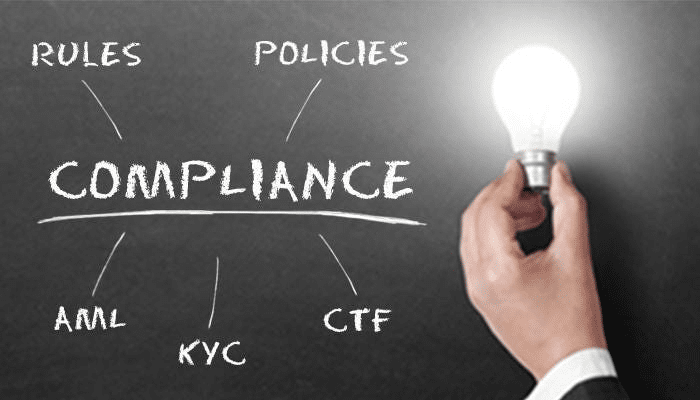
There is a deep balance to be found between regulatory surveillance (anti-terrorism, anti-money laundering) and the protection of citizens’ privacy, and the current dynamic taken by governments does not seem to take the latter into account. Everything is — and must be — allowed in order to control the circulation of capital, even more so in the world of cryptocurrency. Yet illicit transactions in cryptocurrencies are not comparatively higher than those in traditional finance. Proof that the digitization of payments, already heavily deployed, has not allowed the eradication of illicit uses.
Two approaches to privacy in pure-player cryptocurrencies
In this context, it is important to note the distinction between two types of projects in pure-player cryptocurrencies (without smart contract functions):
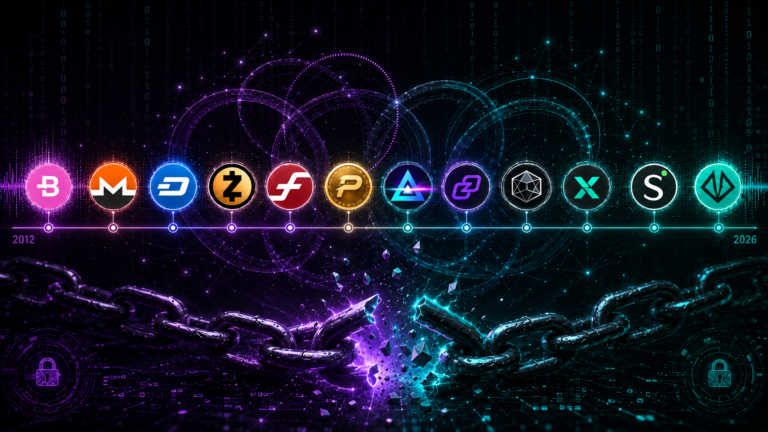
- No-compromise projects — Monero (RingCT), Pirate Chain (zk-SNARKs), or Grin (MimbleWimble).
- Compliance-aware projects — Zano (RingCT), Beam (MimbleWimble), Firo (Lelantus Spark), or more recently Salvium (RingCT). These attempt to find a complex technological balance between privacy and the ability to selectively reveal transaction history at the user’s initiative.
The key principle: the initiative must be in the hands of the users and not that of the issuing body, as is the case with USDC or USDT, which have a powerful and centralized right of censorship.
A path beyond the extremes
I reiterate these technological developments and these different stances to remind us of the richness of ongoing developments on blockchain technology and the possibility open for a compromise between privacy and absolute traceability in the name of our common security. Yes, there is indeed a path beyond the extremes presented to us, where the slightest mention of protecting our privacy seems immediately interpreted as a lack of loyalty to society.
I therefore encourage citizens to learn about the possibilities offered by the technology and to not sacrifice our privacy on the altar of fear. Fundamental rights are lost much more quickly than they are gained…
Further reading
- Comparative analysis of anonymous protocols: firo.org/guide/privacy-coin-comparison.html
- Source: Chainalysis — 2024 Crypto Money Laundering report
Stay in the loop
Crypto Lowcap is an independent media outlet covering privacy, decentralization and low-cap innovation since 2016. We never accept paid coverage — our analyses are our own.
Follow Rowenta on X · Follow The Dowser on X
Liked this piece? Share it, challenge it, or send us the next project we should investigate.